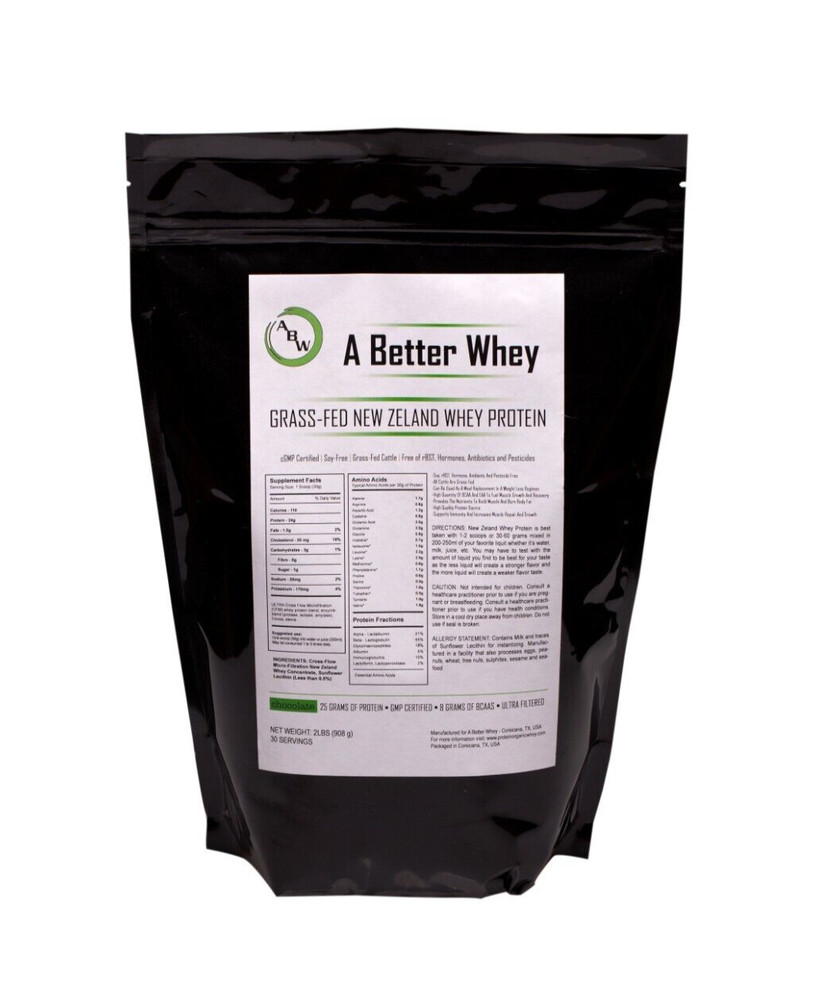
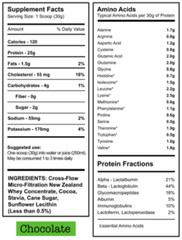


protein whey supplement chocolate all natural organic grass fed 30 servings
Specifications
| Return Shipping Will Be Paid By | Buyer |
| All Returns Accepted | Returns Accepted |
| Item Must Be Returned Within | 30 Days |
| Refund Will Be Given As | Money Back |
| Brand | A Better Whey |
| Active Ingredients | Protein |
| Main Purpose | Bodybuilding |
| When To Take | After Meal |
| Formulation | Powder |
| Ingredients | Whey Protein |
| Supply | Up to 1 Month |
| Features | Grass Fed |
| Flavor | Chocolate |
| Item Weight | 2 lbs |
| Nutrition Facts Label | Yes |
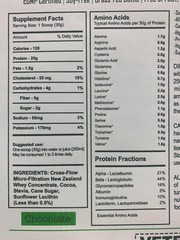
Whey Protein supplement, 100% grass feed all natural organic whey protein. 30 servings per 2 lbs bag and 25 grams of protein per serving. The highest quality whey protein with all the Essential Amino Acids and Branch Chain Amino Acids. Mixes easy, taste great and great for you. What is whey protein supplement ? Whey protein is a type of protein supplement that is derived from milk. It is a complete protein, meaning it contains all of the essential amino acids that the body needs to function properly. Whey protein is commonly used by athletes, bodybuilders, and other fitness enthusiasts to help build and repair muscle tissue, as well as to promote overall health and wellness. It can be added to shakes, smoothies, and other food items. Why take whey protein supplement ? There are several reasons why people may choose to take a whey protein supplement. The following are some of the most common reasons: Building and repairing muscle tissue: Whey protein is high in essential amino acids, which are necessary for building and repairing muscle tissue. This makes it particularly popular among athletes and bodybuilders who are looking to increase muscle mass and strength. Weight management: Whey protein is often used as a meal replacement or supplement to support weight loss or weight management goals. It can help to reduce appetite and increase feelings of fullness, leading to fewer overall calories consumed. Improving athletic performance: Whey protein has been shown to increase muscle strength and endurance, which can help improve athletic performance. Supporting overall health and wellness: Whey protein is a rich source of essential amino acids, which play important roles in many bodily functions, such as immune system function, blood sugar regulation, and more. Recovery: Whey protein is rapidly absorbed, making it a popular choice for post workout recovery to replenish muscle glycogen and repair muscle tissue. It's important to note that supplementing with whey protein should not replace a healthy diet and regular physical activity. Consultation with a healthcare professional is always recommended before starting to take any kind of supplement. Who takes whey protein supplement ? Whey protein supplements are commonly used by a variety of people, including: Athletes and bodybuilders: They use whey protein to help build and repair muscle tissue, as well as to improve athletic performance. People looking to lose weight or manage their weight: Whey protein can help reduce appetite and increase feelings of fullness, leading to fewer overall calories consumed. People looking to increase muscle mass: Whey protein is high in essential amino acids, which are necessary for building and repairing muscle tissue. Individuals recovering from injury or surgery: Whey protein can help to promote tissue repair and healing, making it a popular choice for people recovering from injury or surgery. People with dietary restrictions: For those who are lactose intolerant or vegan, there are whey protein alternatives such as pea protein or soy protein. Elderly people: As people age, they tend to lose muscle mass, whey protein can help to slow this process and improve muscle strength. It's important to note that supplementing with whey protein should not replace a healthy diet and regular physical activity. Also, it's recommended to consult with a healthcare professional before starting to take any kind of supplement. when to take whey protein supplement ? When to take whey protein supplement depends on your specific goals and the timing that works best for you. Here are a few common times when people take whey protein: Post-workout: Whey protein is rapidly absorbed, making it a popular choice for post-workout recovery. Consuming it within 30 minutes after exercise can help replenish muscle glycogen and repair muscle tissue. Breakfast: Taking whey protein in the morning can help boost muscle protein synthesis and kick-start muscle recovery for the day ahead. As a meal replacement: Whey protein can be used as a meal replacement, particularly for those looking to lose weight or manage their weight. Before bed: Consuming a slow-digesting protein source such as casein before bed can help promote muscle recovery and repair overnight. Throughout the day: Spreading protein intake throughout the day can help to maintain a positive muscle protein balance, which is crucial for muscle growth and repair. It's important to note that the timing of protein intake is less important than ensuring an adequate overall protein intake. Also, it's recommended to consult with a healthcare professional before starting to take any kind of supplement. What is in whey protein supplement? Whey protein supplements are typically made from the liquid portion of milk that separates during the cheese-making process. The liquid is then processed to remove the fat and lactose, and the remaining protein is concentrated and dried to create whey protein powder. The main ingredient in whey protein supplements is whey protein, which can be further broken down into three main types: whey protein concentrate, whey protein isolate, and whey protein hydrolysate. Whey protein concentrate (WPC): typically contains around 70-80% protein, with the remaining amount made up of lactose, fat, and minerals. Whey protein isolate (WPI) : contains a higher percentage of protein, typically 90% or more, and has less lactose, fat and minerals. Whey protein hydrolysate (WPH): This type of whey protein is predigested and partially hydrolyzed, which means that it is broken down into smaller peptides, making it easier for the body to absorb. Additionally, some whey protein supplements may contain added ingredients such as sweeteners, flavors, and colors, as well as other ingredients such as vitamins and minerals. It's important to read the ingredient list carefully and consult with a healthcare professional before starting to take any kind of supplement.
Related Items